Shumba Variable-Speed Polisher: Multiple Applications
One Machine. Multiple Applications.
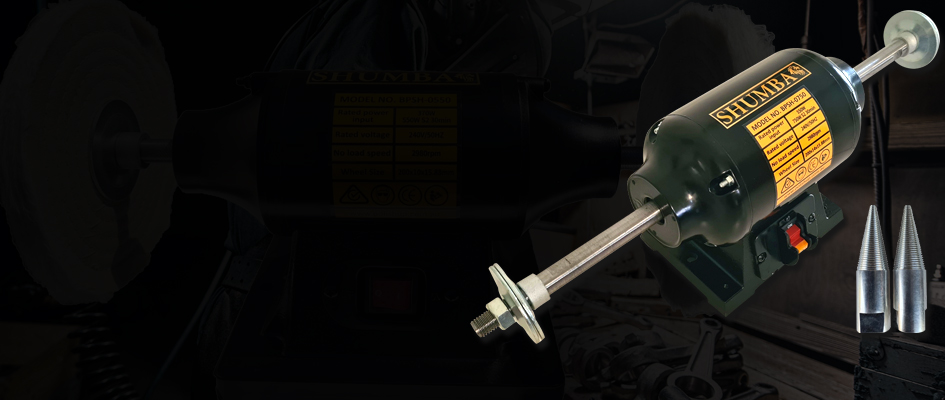
Shumba Variable-Speed Polisher
Polish, buff, sand and burnish with one versatile surface-finishing machine.
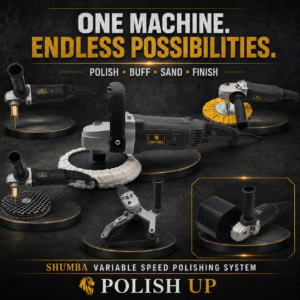
Variable Speed Polisher applications
More Than a Standard Rotary Polisher
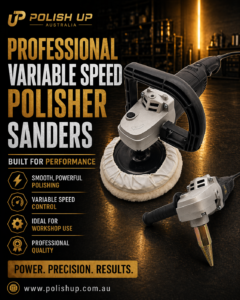
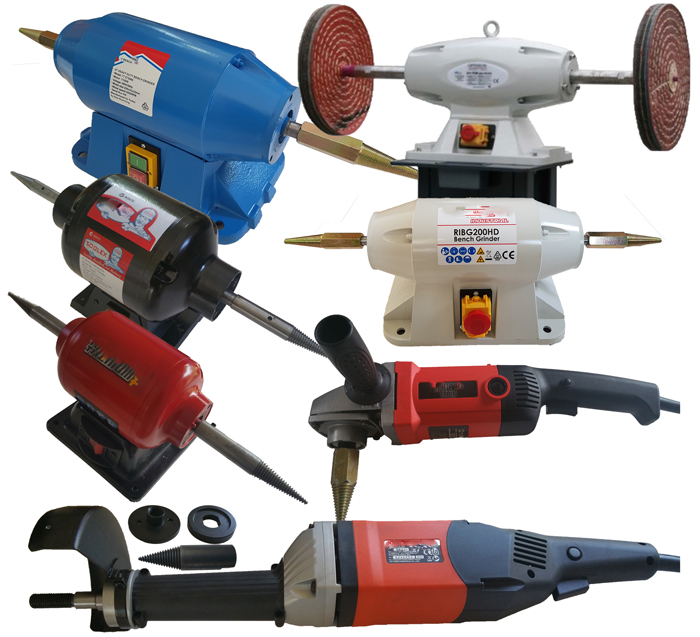
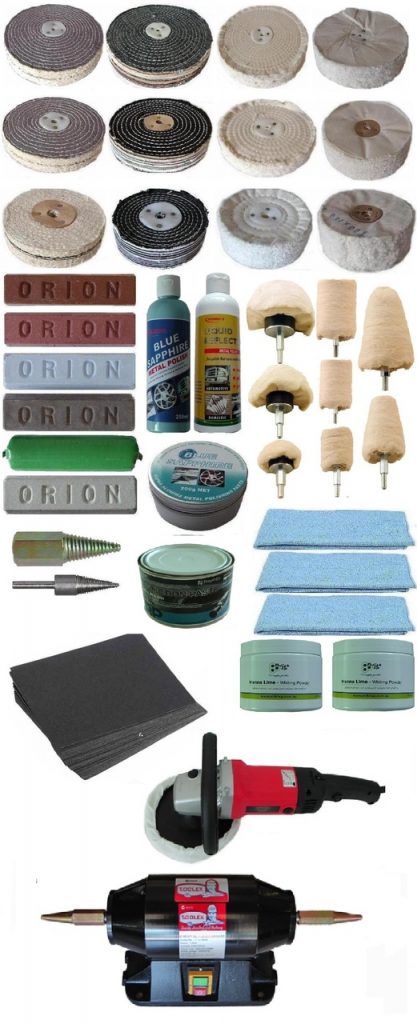
The Shumba Variable-Speed Polisher is designed to provide far more versatility than a conventional polishing machine. By changing the wheel, spindle or attachment, the same power tool can be configured for metal polishing, buffing, pipe sanding, surface preparation and burnishing.
This makes it a practical choice for metalworkers, vehicle restorers, fabricators, truck owners and home workshop users who want to complete several finishing jobs without purchasing a separate machine for every application.
Rotary Polishing and Buffing
Fitted with a suitable backing pad and polishing bonnet, the Shumba machine can be used for polishing and refining larger surfaces. Changing the pad or bonnet allows the operator to configure the machine for cutting, refining or final buffing.
- Polishing painted and coated surfaces
- Reducing light oxidation and surface dullness
- Applying suitable polishing compounds
- Buffing aluminium and other metals
- Restoring suitable vehicle and workshop surfaces
Metal Polishing with a Tapered Spindle
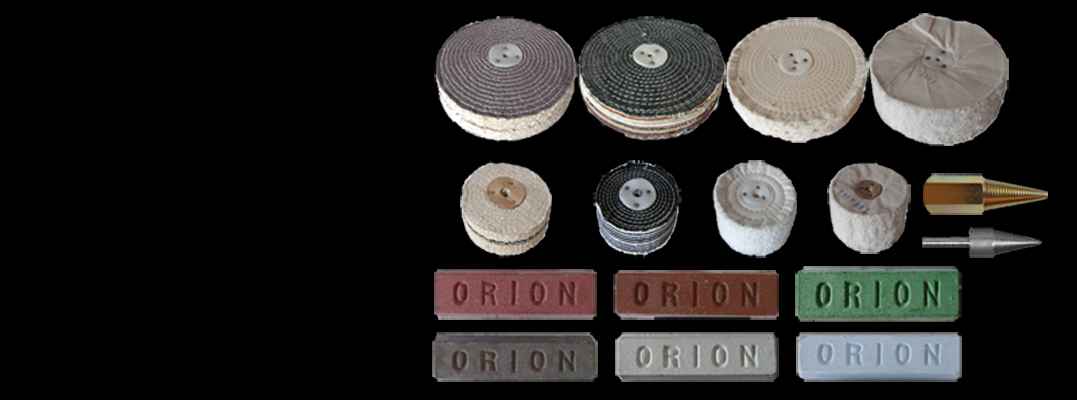
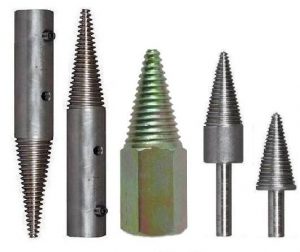
A compatible tapered spindle adaptor converts the machine into a compact handheld metal-polishing system. Compatible polishing wheels can be attached according to the surface condition and finish required.
- Aluminium components
- Stainless steel
- Brass and copper
- Automotive and motorcycle parts
- Truck and ute components
- Fabricated metalwork
Airflow Wheel Metal Polishing
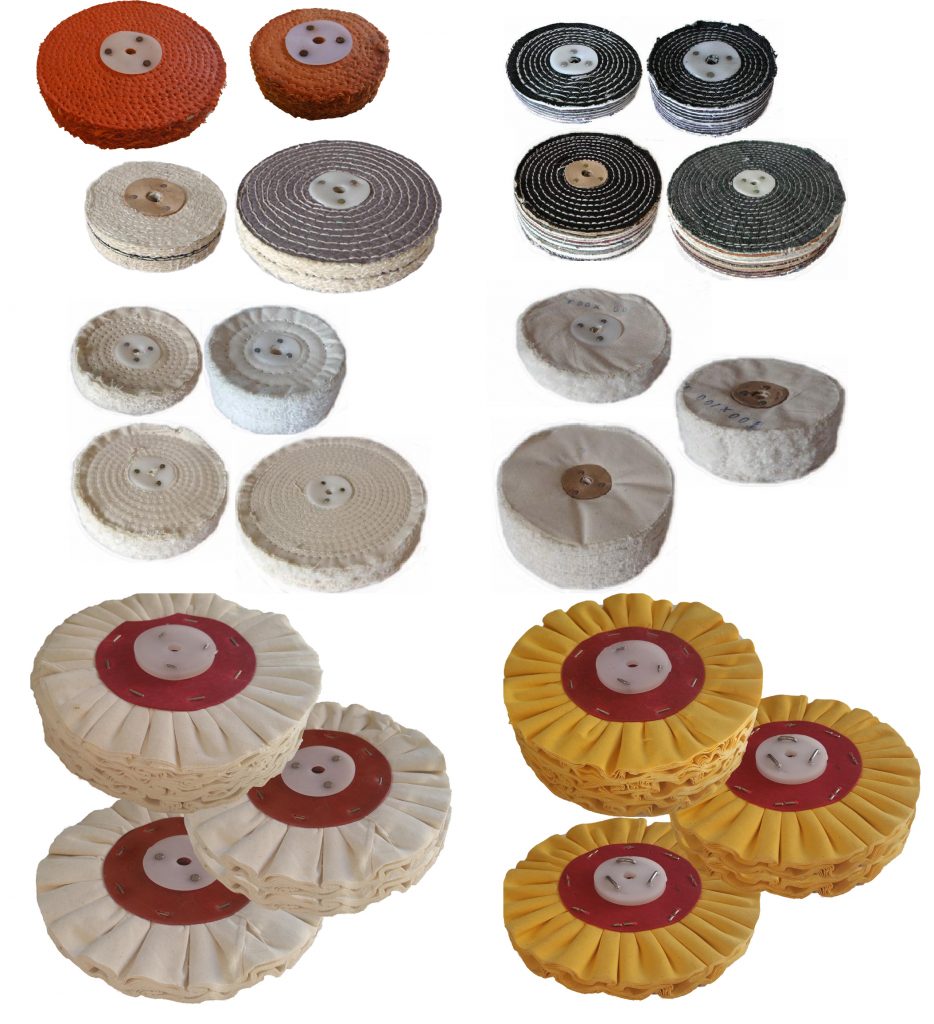
When fitted with compatible flanges and an airflow polishing wheel, the variable-speed machine can be used on larger metal surfaces and more demanding polishing jobs.
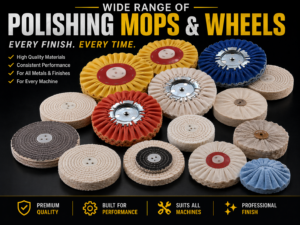
Airflow wheels provide a flexible polishing face that can follow the working surface. Depending on the wheel and compound selected, this setup can be used for cutting, colouring and producing a brighter polished finish.
- Truck fuel tanks
- Bull bars and metal accessories
- Aluminium trays and toolboxes
- Stainless steel panels
- Marine fittings
- Larger fabricated components
Pipe and Handrail Sanding
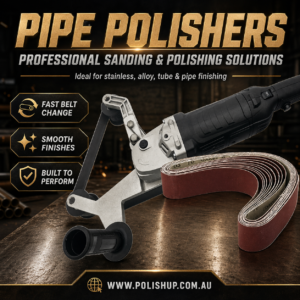
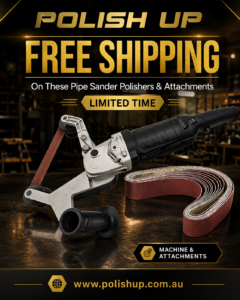
Installing a compatible pipe-sander attachment transforms the Shumba machine into a specialist tool for sanding and finishing round tubing.
The abrasive belt wraps around a larger portion of the pipe than a conventional flat sanding disc. This provides more consistent surface contact and makes it easier to work around curved metal.
- Stainless steel handrails
- Round aluminium tubing
- Exhaust and automotive pipes
- Balustrades and fabricated frames
- Blending weld marks
- Creating brushed or satin finishes
Burnishing and Drum Sanding
A burnishing drum attachment gives the Shumba polisher another valuable capability. This setup accepts compatible surface-conditioning, sanding and polishing drums for working across wider surfaces.
- Removing rust and oxidation
- Blending scratches and imperfections
- Cleaning fabricated metal
- Removing light surface coatings
- Producing brushed and satin finishes
- Preparing surfaces before polishing
- Refining stainless steel and aluminium
Non-woven surface-conditioning drums are especially useful where a controlled and consistent finish is required. Different grades allow the operator to progress from surface preparation through to fine satin finishing.
Choose the Right Setup for Your Job
The machine provides the power, but the attachment, abrasive and polishing consumable determine how it performs.
Ensure every attachment is securely installed and rated for the machine’s operating speed. Always use appropriate eye, hearing, respiratory and hand protection.
One Polisher. A Complete Finishing System.
Whether you are restoring aluminium, finishing stainless steel handrails, preparing fabricated metal or maintaining trucks and workshop equipment, the Shumba system provides a flexible foundation for numerous surface-finishing jobs.